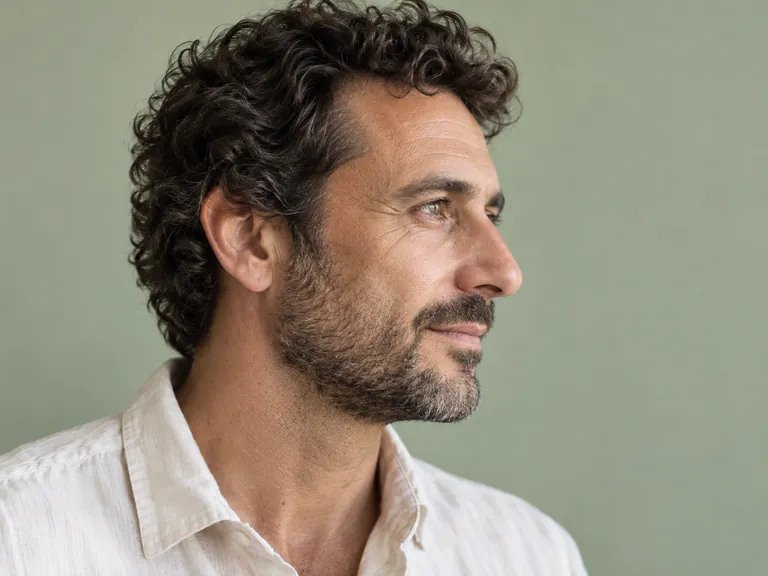
Prominent ears can be distressing for children, adolescents and adults. Ear correction involves assessing whether and how their position, shape or size can be changed. Ears contribute to the appearance of the face, so personal wishes are an important part of the consultation. Cartilage, skin and individual anatomy also place limits on what can be achieved. Changes cannot be made without restriction. The procedure, risks and aftercare are discussed with a doctor before a decision is made.
Your benefits
Plan the scope and intended effect individually
Local anaesthesia may be possible
Outpatient procedure
Mc Aesthetics · KNOWLEDGE
Research, explained
A relevant original study, its measurements and its limits. The findings describe studied groups, not your personal outcome.
How the study was designed
40Participants
Study design diagram · not a success rate
Schwentner I et al. · 2006
Interpreting the evidence
Adults were surveyed about health-related quality of life after otoplasty. This complements assessment of shape, symmetry and scarring.
Patient survey with possible selection and response bias. Satisfaction alone does not capture all risks.
Source & context
Health-related quality of life outcome of adult patients after otoplasty.
For suitable patients, ear correction using a suture technique may be an option. Small access points and sutures placed within the tissue are used to adjust the shape. Suitability, durability and possible complications are discussed individually.
Ear correction requires experience, careful planning and individual assessment. Wishes and any distress are discussed during consultation. Assessment may also be appropriate before adulthood; surgery requires age-appropriate information and the necessary consent. Whether and when treatment is suitable depends on the individual situation. A particular aesthetic result cannot be guaranteed.
Illustrative image
Ear correction can change the shape and position of the outer ears. After a personal examination, a qualified medical specialist explains suitable methods, realistic goals, possible risks and aftercare. The decision is made individually.
For further questions or an appointment request, please contact us by Email .