

YOUR VISION · TRY IT HERE
How would you like to look?
Move the sliders to explore a direction that feels right for you. Then add your own photos using the framing guide and enter your contact details.
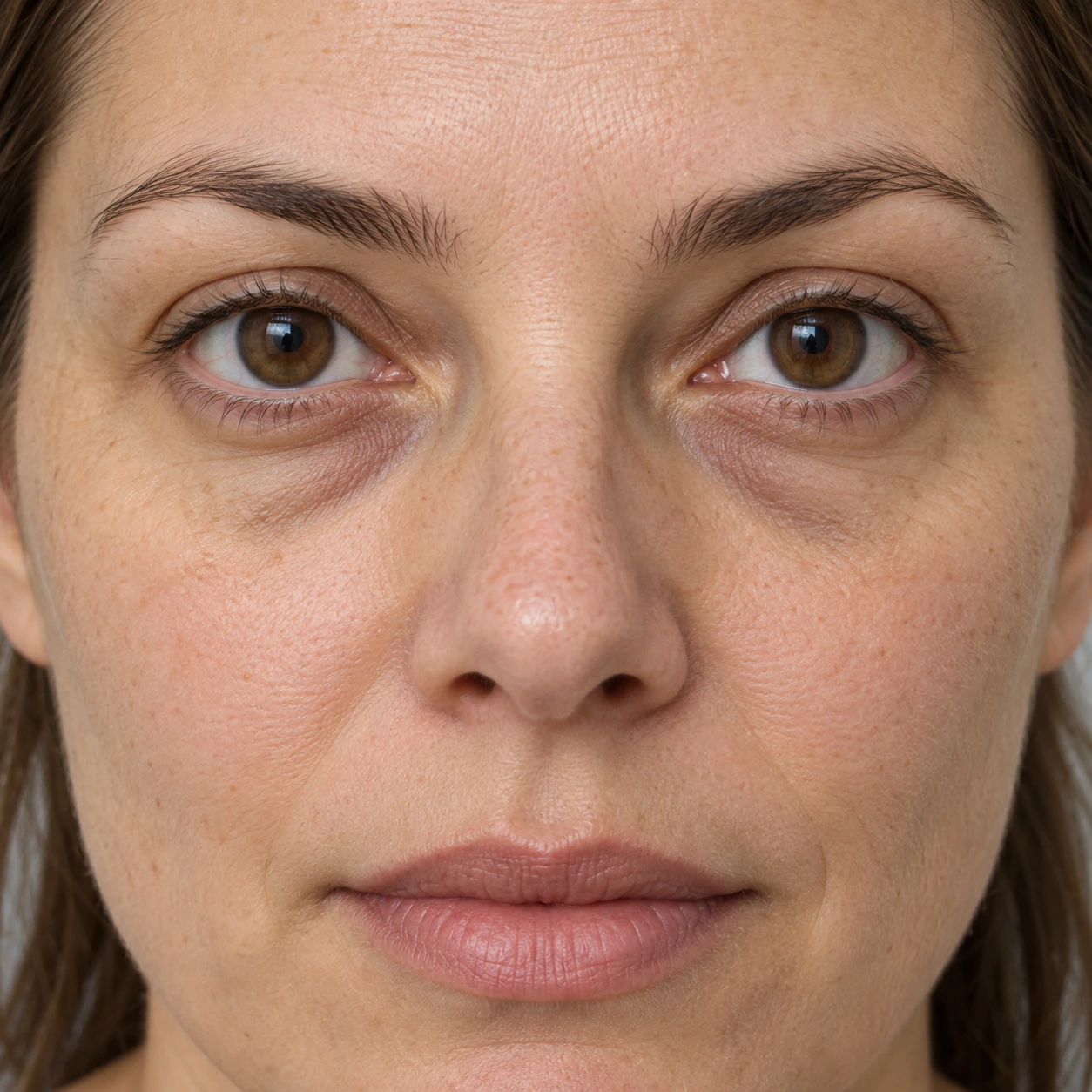 Generated visual example
Preview → Guided photos → Contact details. Every step is optional.
Open the full visual guide
Understanding dark circles
Dark circles describe an appearance, not a single cause. Pigmentation, visible blood vessels and shadows from a deep tear trough may contribute in different ways. Lighting also changes the impression. Dark circles alone reveal neither a particular lifestyle nor a medical condition or suitability for filler.
What are dark circles?
Dark circles are dark or shadowed areas beneath the eyes. Whether treatment is appropriate depends on the cause and your personal wishes. Hyaluronic acid is an option only for selected volume deficits. To request an appointment at Mc Aesthetics, you can email or use WhatsApp and state your preferred location, such as Cologne.
The consultation aims to give a clear assessment of suitable options and realistic expectations. A particular result cannot be promised. Mc Aesthetics values a natural-looking eye area that suits your personal expression. Your own eye shape and facial expressions should guide the aesthetic approach, rather than exaggerated forms or changing social media trends.
Repeating treatment does not automatically make a result last longer. Its course and duration depend, among other things, on the product, treated area and individual tissues.
Younger people can have dark circles too; this is not a general reason to recommend treatment. If you would like a change, first discuss your findings, possible alternatives and risks. Another injection should be considered only after a fresh medical assessment.
Tear-trough treatment: suitability and limitations
Not every shadow beneath the eyes is suitable for filler. Assessment includes volume distribution, pigmentation, skin and a tendency to swell. An appropriate product can alter the transition to the cheek in certain hollows. Swelling remains possible and may persist, especially around the lower eyelid. Describing a gel as mild does not rule out this risk.
Distinguishing skin changes, lifestyle factors and under-eye bags
Lack of sleep can affect how the eye area looks. Stress, sleep problems, alcohol and eating habits can be discussed with a doctor, but dark circles do not prove an unhealthy lifestyle. The skin beneath the eyes is thin, so vessels may show through more clearly.
Pigmentation, fat distribution and changes in volume also shape the appearance. Dark colour does not establish poor blood supply or weakened vessels. Under-eye bags describe bulging or swelling and must be distinguished from a deep tear trough. An examination establishes which factors predominate.
When is medical assessment useful?
Medical assessment is useful for new, persistent or noticeably changed dark circles, especially if other symptoms develop. Sleep and stress may affect their appearance, but do not explain every area of pigmentation or hollowing. Treatment is based on the findings of the examination.
Recovery and aftercare following treatment
Recovery after treatment varies from person to person. Swelling, bruising, tenderness or other symptoms may temporarily affect everyday life. An immediate return to unrestricted activity cannot be promised. Preparation, recovery, follow-up appointments and possible warning signs are discussed beforehand. Seek medical advice if symptoms are unexpected or become worse.